Vacation vibes: Simple tips for great trips
School bells have rung, the skies are blue, the air is warm and the summer urge to get away for a while is stirring inside everyone. It’s vacation season, where humans everywhere are fueled by the need to escape, for a day, a week or two, maybe a month.
As the adventures begin, we have some great tips to prepare you for your time away while keeping your body in prime shape for movement on the journey.
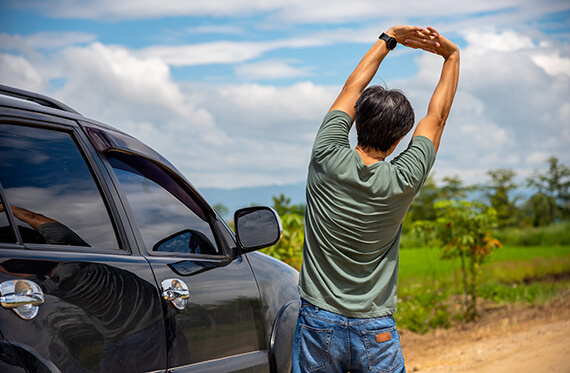
Have a good plan – think ahead
Once you’ve got your trip planned, you can start to get yourself on the right track.
For those who are enrolled in a rehabilitation program and have concerns about an increase in pain/discomfort with an existing injury or condition during the travel, talking openly to your therapist is a first step. As soon as your trip is planned let your therapist know. Leading up to your break they can focus your upcoming appointments on the areas that need the most focus. In addition, they can create a “vacation plan” and recommend things you can do along the way to stay strong, avoid flare ups, keep things stretched out and flexible, and more.
They may suggest carrying something simple like a TheraBand you can use during breaks in travel, at night after a day of activity or before starting your day of movement.
If you have a problem with balance, an assistive device can be your friend. Foldable trekking poles or travel canes can help offload weight bearing when in pain, making it possible to walk longer distances with confidence.
Taking a longer trip that keeps you away from your rehabilitation program for more time than preferred? Not a problem. Schedule an appointment with one of our many centers across the country to keep up pace with your program.
Good preparation means not losing what you’ve already gained so you can pick up where you left off when you return.
Just breathe – removing stress from the itinerary
Key to good health is managing stress and anxiety. There is an element of added pressure in the preparation for and during travel. To be your best self, managing those tensions can make a huge difference.
Breathing is the answer.
We underestimate the power of breathing. When under stress, our breathing is impacted, and when the breathing isn’t right, it leads to muscle strain and tight neck muscles.
When you are sitting for longer periods of time, make the most of minutes. Every couple of hours, focus on your breathing technique. When you breathe in, flare your stomach out, and when you breathe out, push your stomach in.
It’s best to do at least 10 diaphragmatic breathing techniques at a time to get the most out of the effort.
Art of packing – taking the heavy out of the lift
Short or long trip, proper packing can make all the difference.
When considering what is going into your bags, bags you will surely have to lift several times throughout your trip, keep this in mind: pack to the amount you can lift and know your limits. Editing what goes into your bags to only what you essentially need should keep you in a good packing place.
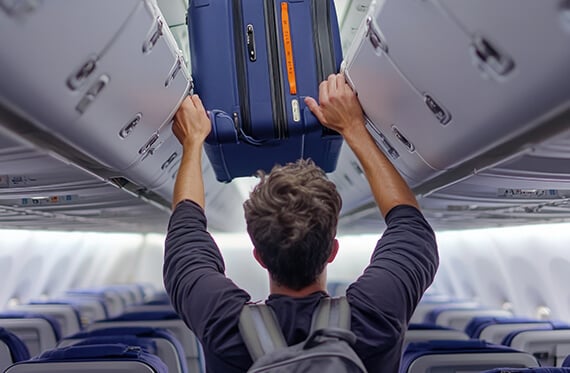
When you do have to lift your bags, squat down, don’t bend. When going down, suck your belly button in, brace your abdominal muscles and rise holding your bag. This simple action stabilizes your core, keeps your posture in correct position and avoids straining the back and its discs.
Also, no twisting. Use more of your hips to side lunge rather than twisting through your torso to shift your bags from the baggage area to a cart.
Out of your element – vacation can mean more movement or new activities
One of the greatest joys of vacationing is stepping outside of your normal activities to make memories. That may mean more walking, hiking, water sports like swimming or snorkeling or trying a new activity. Whatever your daily activity holds during vacation, adding more activity to your days before vacation can be a game changer.
We’re not asking you to go to the gym every day as you think ahead about your days away, but in the weeks ahead, hydrate more. Make sure you’re getting your daily 64 ounces of water in and if your routine is normally without much movement, build more walking into each day at bare minimum. This will prepare your body for the added movement you will have on vacation, increase blood flow throughout your body and help you to avoid soreness that could take away from your enjoyment.
Other great movement options are stationary bike use, aerobic conditioning and upper body exercises. Anything you can do consistently to help build your strength, stamina and endurance.
For those taking a trip that may include jet lag, this type of conditioning pays off in lessening the effects, helping you recover more quickly from changes in time.
Long flights – adding movement to the hours
Here are some simple tips for long flights (or even short ones).
- Do stretches when checking in or standing in a long line for security.
- Avoid escalators and moving walkways. Use the opportunity to get blood flowing through walking.
- Avoid overloading backpacks and carry-ons that may make you slump or put strain on the back and shoulders.
- Carry a travel pillow, a jacket or a towel that can be rolled for neck or lumbar support.
- Every hour or two, make a loop around the plane to keep blood circulating.
- Drink water.
- Keep your posture in check – avoid slumping or protruding the neck forward.
- Wear compression stockings either to the knee or thigh when movement will be limited and you’ll be seated for a long time. This will reduce swelling and help in avoiding deep vein thrombosis (the development of blood clots).
Play the accessible version of the “Airport Tips from Physical Therapist Kevin Capata” video
Driving – more muscle in the miles
Posture, posture, posture — the power of posture can’t be overlooked.
- When planning a long drive, take the time to make seat adjustment for proper sitting posture a priority.
- Do you have good lumbar support?
- Is your neck in a position where you’re not in a protruding forward position?
- Are your hips in good sitting alignment?
- If you’re a shorter person, where your feet might hang or you’re scrunched back in your seat, can you modify your sitting position to be more upright with a towel roll?
Once you’re ready to hit the highway, with the seat in all the right positions, your body will thank you for the effort.
Map out your drive. Paper maps may no longer be the norm, but taking the time to know your route and plan out regular breaks whether you want them or not can benefit you physically and mentally. Make those breaks fun by taking small walks, doing jumping jacks, playing with the kids by throwing or kicking a ball or stretching.
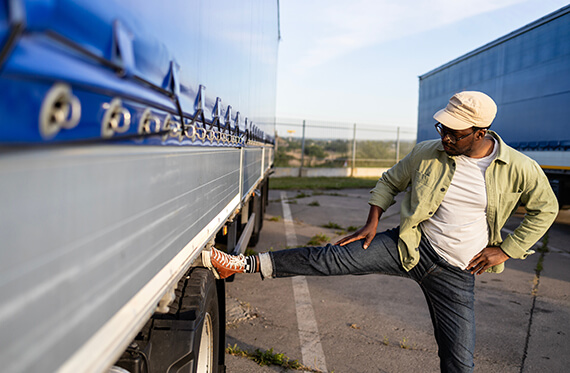
Just as with flying, if your car trip is long, compression stockings can be beneficial in keeping swelling down from sitting too long and can help avoid blood clots from developing in the legs.
Whether driving, flying or some other form of transportation, here are a few exercises you can incorporate into travel to keep you limber and ready while getting to your destination.
Easy travel exercises:
- Ankle pumps: Alternately pointing your toes up toward your head and down away from your head while sitting or lying down. Helps to improve circulation, reduce swelling and prevent blood clots in the legs.
- Shoulder squeezes: Squeezing your shoulder blades together, as if you’re trying to touch them, while keeping your shoulders relaxed. Improves posture, strengthens muscles between the shoulder blades and alleviates shoulder and back pain.
- Chin tucks: Gently draw the chin straight back, as if creating a double-chin, without tilting the head up or down. Improves posture and relieves neck pain by stretching the muscles in the neck.
- Glute squeezes: In a standing, sitting or lying down positions, contract and squeeze the gluteal (butt) muscles, release and repeat. Improves posture and reduces risk of injury, especially in the lower back and knees.
- Posterior tilts: Tilt the pelvis backward, flattening the lower back against the back of a seat (sitting position) or floor (lying down position) and engage the abdominal muscles. This core movement improves posture, strengthens the core muscles and alleviates lower back pain.
- Standing quad stretch: With feet shoulder-width apart, holding onto a stable surface for balance, bend one knee and bring your heel toward your butt. Grasp the foot or ankle and gently pull it toward the butt. Hold for 20-30 seconds and repeat on the other side. Improves flexibility, range of motion, reduces tension and alleviates lower back pain.
Tap into what is around you
The beautiful thing about adventuring is finding yourself in new and unexpected places. Tapping into what is around you for physical movement can be an added feature to vacation and a step forward in health.
If where you are staying has a pool, slip some meaningful movement into your leisure swimming. Water is one of the best ways to exercise. Simply walking a lap or two in the pool — allowing the water to be your resistance is a good way to work muscles and increase blood flow.
Lower body water exercises like front, back and side-kicks are good movements. For upper body, strokes are great. Try working your arms up and down, do shoulder squeezes. Treading water works the whole body.
Word of caution: water is incredible because it allows you to float through movement; however, you may not realize how much working out you are really doing. It’s easy to overdo.
Start with gentle reps and movements. If you’re not really active on the regular, try standing in the water, going up on your toes and then alternately going onto the heels. Try mini-squats or walking in place.
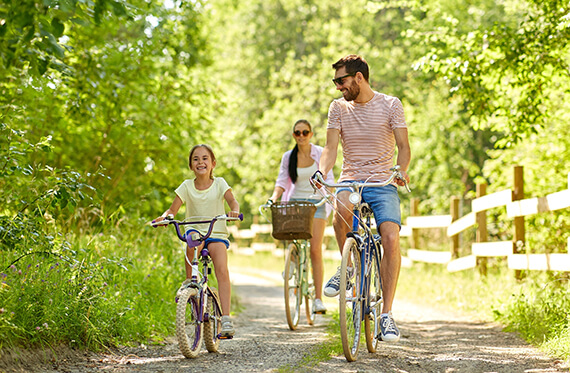
If you’re at a location with a fitness center — excellent — but if you’re not a regular gym-goer, that can be intimidating. Focus on adding a family activity to your day. Go for a morning walk to get your blood flowing and to connect with loved ones or a walk at night to wind down from your day. If you have kids, find a playground and join them in play.
Your everyday living routine will likely go off course, so make sure you’re hydrating, getting enough rest and fueling your body with good nutrition and snacks along the way.
Enjoy the ride
Most importantly, vacation is all about the break. It’s an opportunity to refresh and renew and to make memories. Allow yourself to enjoy every minute by disconnecting from stress and the busyness of life to flex your emotional, mental and physical muscles.
Clinical contribution to this blog provided by Kena Shah, a physical therapist residency-trained in orthopedics.